Introduction
Debt is an integral part of modern financial life. From student loans to mortgages, credit cards to personal loans, borrowing has become a standard practice. However, while loans provide the means to achieve financial goals, they also influence psychological behavior in profound ways. Understanding the psychology of debt can help individuals make informed decisions and develop healthier financial habits.
The Emotional Burden of Debt
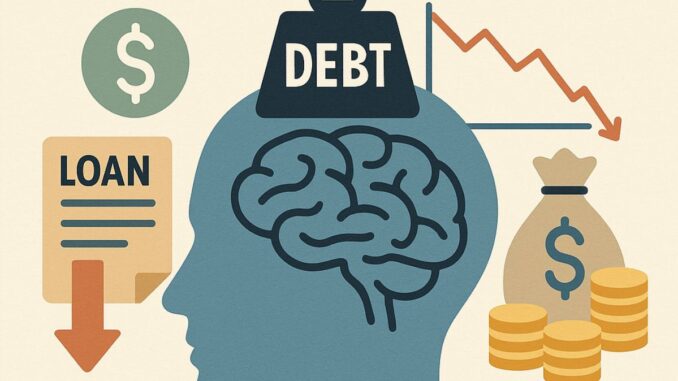
Debt often brings a heavy emotional toll. Many people experience stress, anxiety, and even depression as a result of their financial obligations. The feeling of owing money can create a sense of helplessness, particularly when repayment becomes difficult. Studies suggest that high levels of debt correlate with increased stress hormones, leading to negative health effects. This emotional burden can impact relationships, work performance, and overall well-being, making it crucial to manage debt responsibly.
The Illusion of Affordability
Loans create an illusion of affordability, encouraging individuals to spend beyond their means. The ability to access credit often makes purchases feel less significant at the moment, as the actual payment is deferred. This psychological effect is especially evident with credit cards, where the separation between purchase and payment reduces the immediate pain of spending. As a result, many individuals fall into the trap of accumulating debt without fully understanding its long-term consequences.
Debt and Financial Decision-Making
The presence of debt influences how individuals make financial decisions. Those in debt may feel restricted in their choices, prioritizing immediate repayment over long-term investments. This can lead to risk aversion, where individuals avoid opportunities such as investing or starting a business due to fear of additional financial burdens. Conversely, some may adopt a reckless attitude, taking on even more debt in hopes of improving their financial situation, leading to a cycle of borrowing and repayment that is difficult to escape.
The Psychological Cycle of Debt
Debt can create a psychological cycle that reinforces borrowing behavior. When individuals struggle to pay off existing debt, they may resort to taking out new loans, leading to a perpetual cycle. This behavior is partly driven by the short-term relief that loans provide, which temporarily eases financial pressure but ultimately increases long-term obligations. The reliance on credit can become habitual, making it harder to break free from the debt trap.
Strategies to Overcome Debt-Related Stress
Managing debt effectively requires both financial literacy and psychological resilience. Developing a structured repayment plan, budgeting wisely, and prioritizing high-interest debt can significantly reduce financial stress. Additionally, cultivating a healthy relationship with money—viewing debt as a tool rather than a burden—can shift financial behavior in a positive direction. Seeking professional financial advice or support groups can also help individuals regain control over their financial situation.
Conclusion
Debt is more than just a financial obligation; it is a psychological experience that shapes behavior, emotions, and decision-making. By understanding the psychological impact of loans, individuals can take proactive steps to manage debt effectively and build a more secure financial future. Developing mindful spending habits, prioritizing financial well-being, and adopting a strategic approach to borrowing can help break free from the negative effects of debt and pave the way for a healthier financial life.
Leave a Reply